

Ragi Malt is a healthy and popular nutritious drink recipe in South India made from ragi flour (also known as finger millet flour), water, milk, and sweeteners like jaggery or sugar. It is typically served hot for breakfast or as a snack.
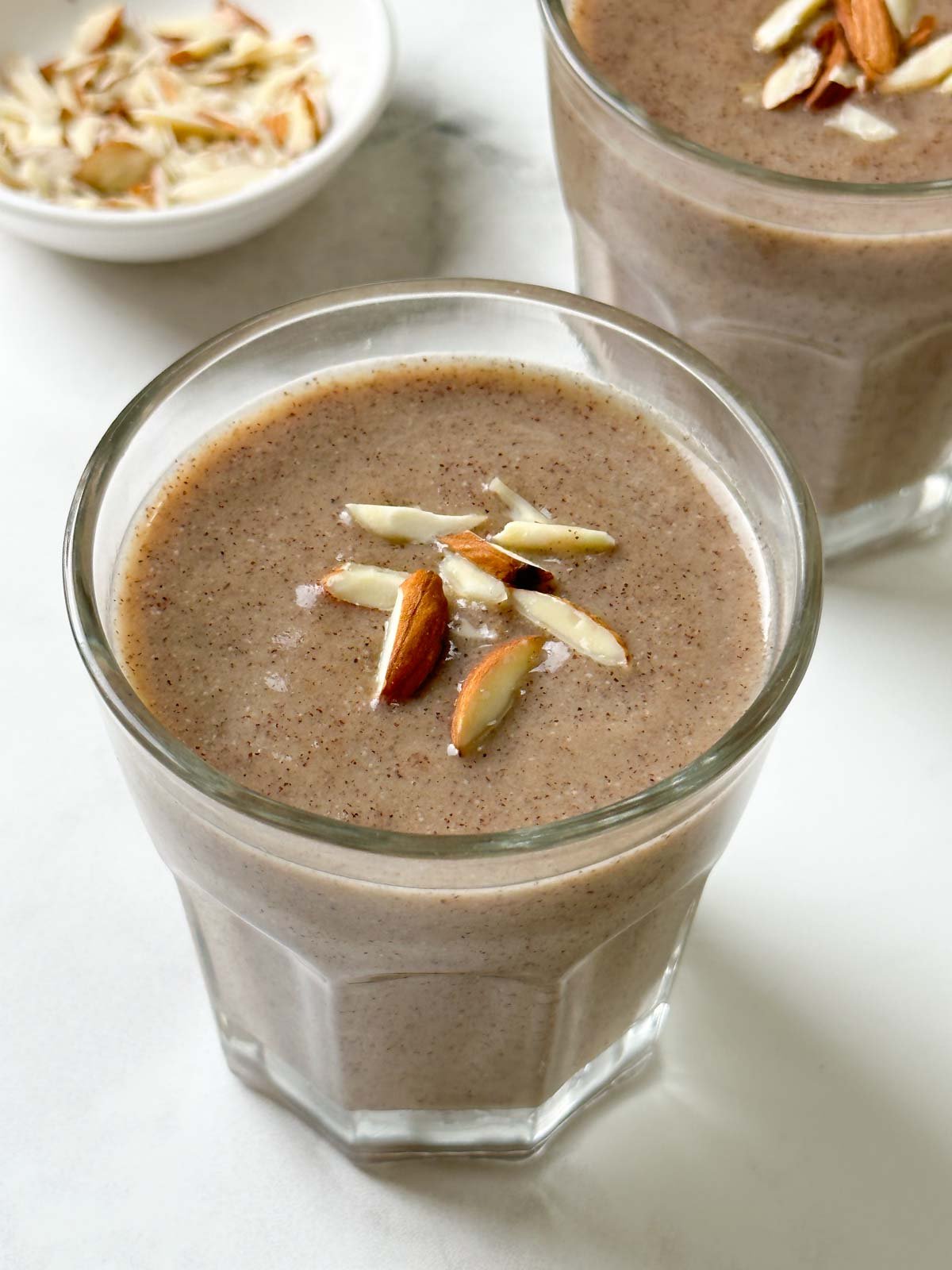
Ragi, also known as finger millet, is a nutritious whole grain that primarily grows in India and Africa. It has a low glycemic index, is low in fat, and is gluten-free, making it a suitable food for people with diabetes or gluten intolerance.
Ragi flour is used to make a variety of dishes at our home, such as ragi ambali, ragi vegetable soup, ragi banana date smoothie, and idlis. Today, I am sharing another delicious recipe called ragi malt.
Jump to:
About Ragi Malt
Ragi Malt is a healthy drink made from ragi flour, water, milk, and jaggery. A popular nutrient drink in South India, typically served as a breakfast, snack, or pre-workout drink. It is typically served hot or warm.
This beverage is rich in calcium, iron, and other essential nutrients. It is easily digestible and a great diabetic-friendly option. Great for all age groups.
Ingredients
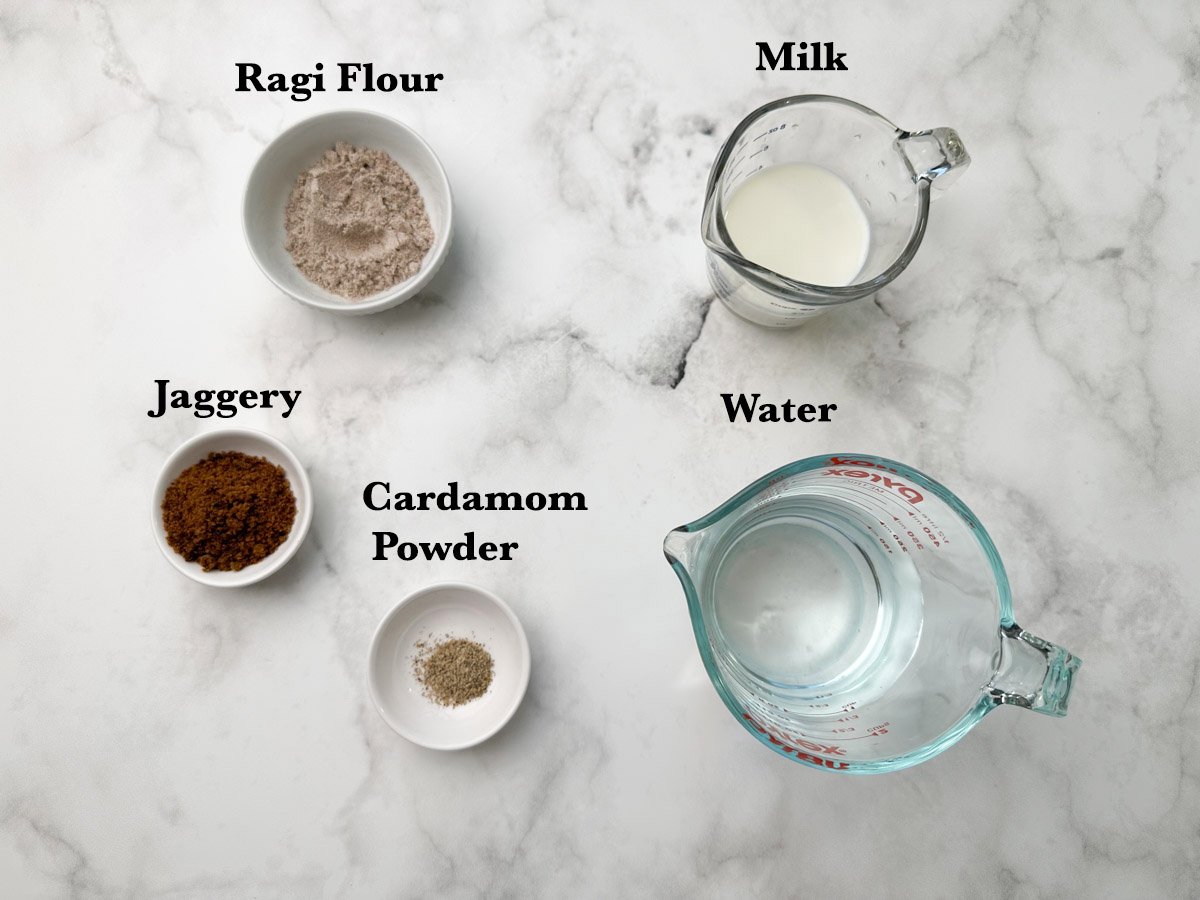
- Ragi (finger millet) Flour: Use regular ragi flour or sprouted ragi flour. I used store-bought sprouted ragi flour.
- Milk: Milk is added to make the malt rich and creamy. You can use whole milk or non-dairy milk like almond, soy, or cashew milk.
- Sweetener: Jaggery is added to enhance the taste and is rich in iron. You can add any other sweeteners of your choice, like sugar, coconut sugar, or stevia. You can skip the sweeteners for diabetic diabetic-friendly options.
- Cardamom Powder: Optional. Cardamom powder gives a nice flavor to the malt.
- Nuts: optional. You can garnish with slivered almonds, or chopped cashew nuts for extra crunch and nutrition benefits.
How To Make Ragi Malt
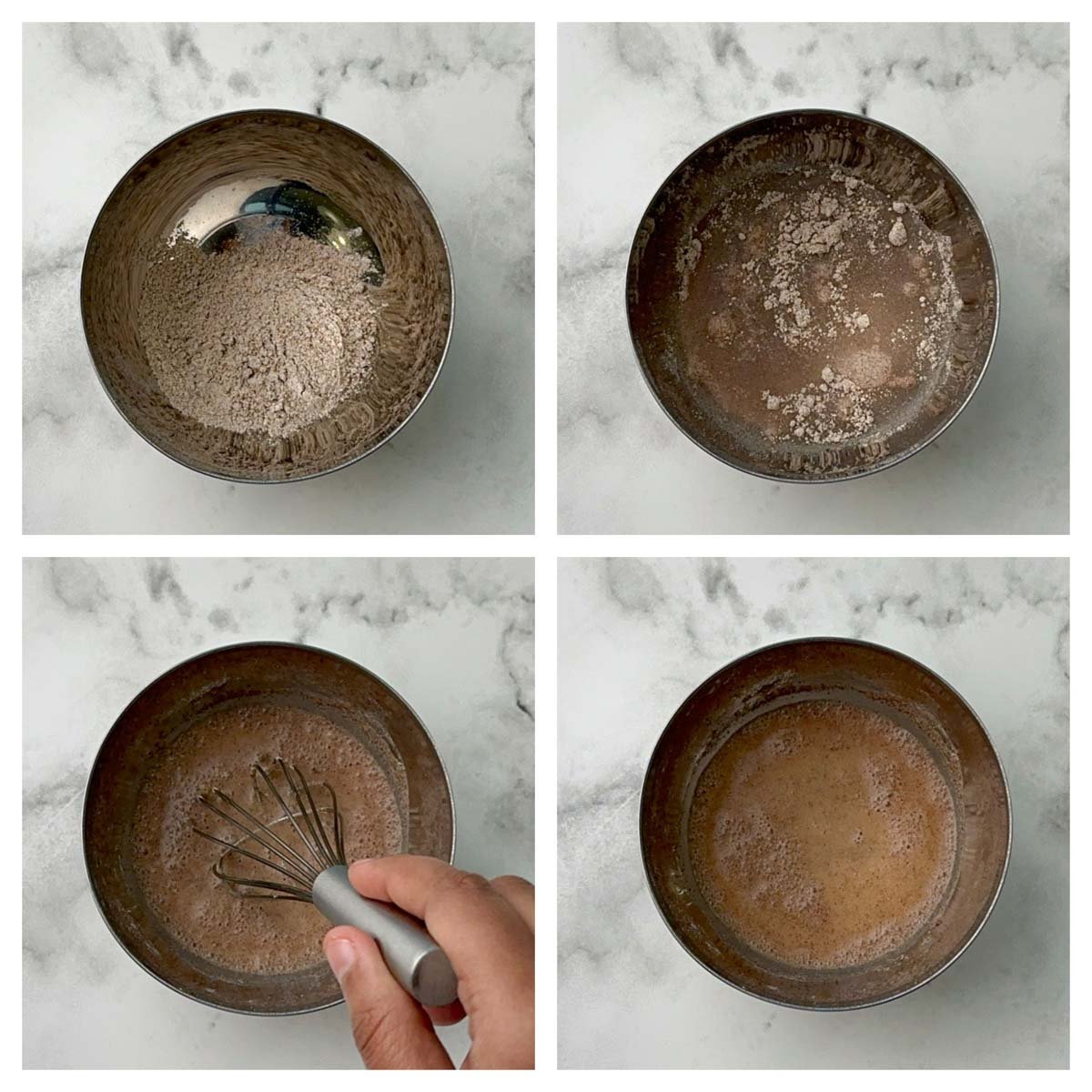
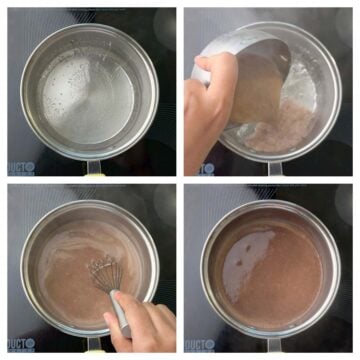
Add 2 tablespoons of ragi flour to ½ cup of water. Mix well to ensure there are no lumps.
In a separate pot, bring 1 cup of water to a boil on medium-high heat.
Then, slowly add the ragi mixture (slurry) to the boiling water.
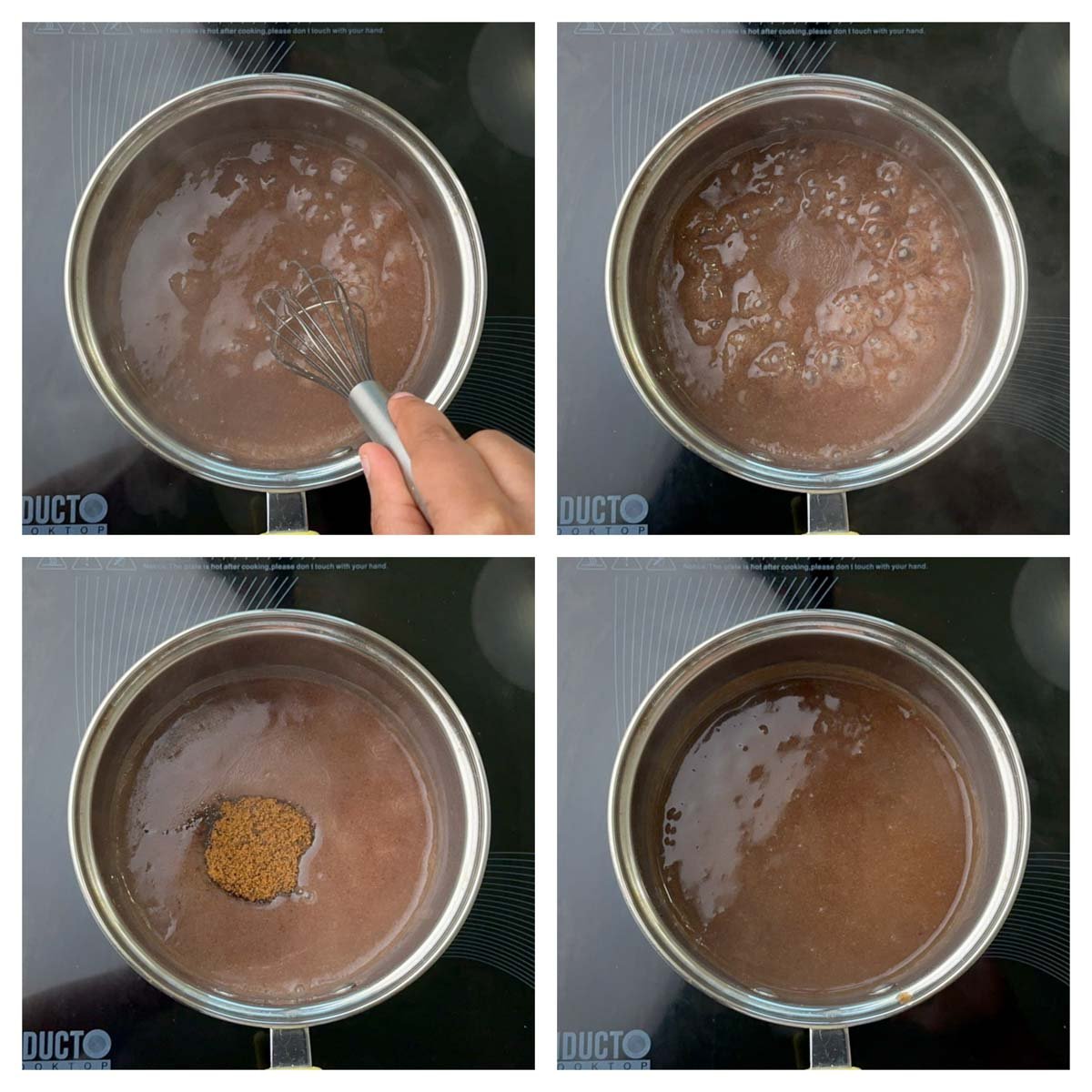
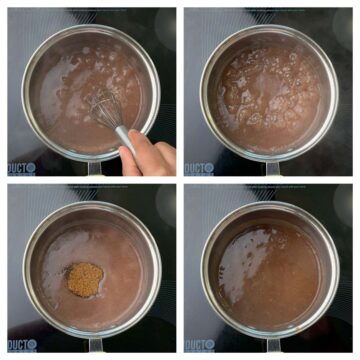
Reduce the heat to low and cook for 4-5 minutes, stirring continuously, preferably using a whisk, until the mixture thickens.
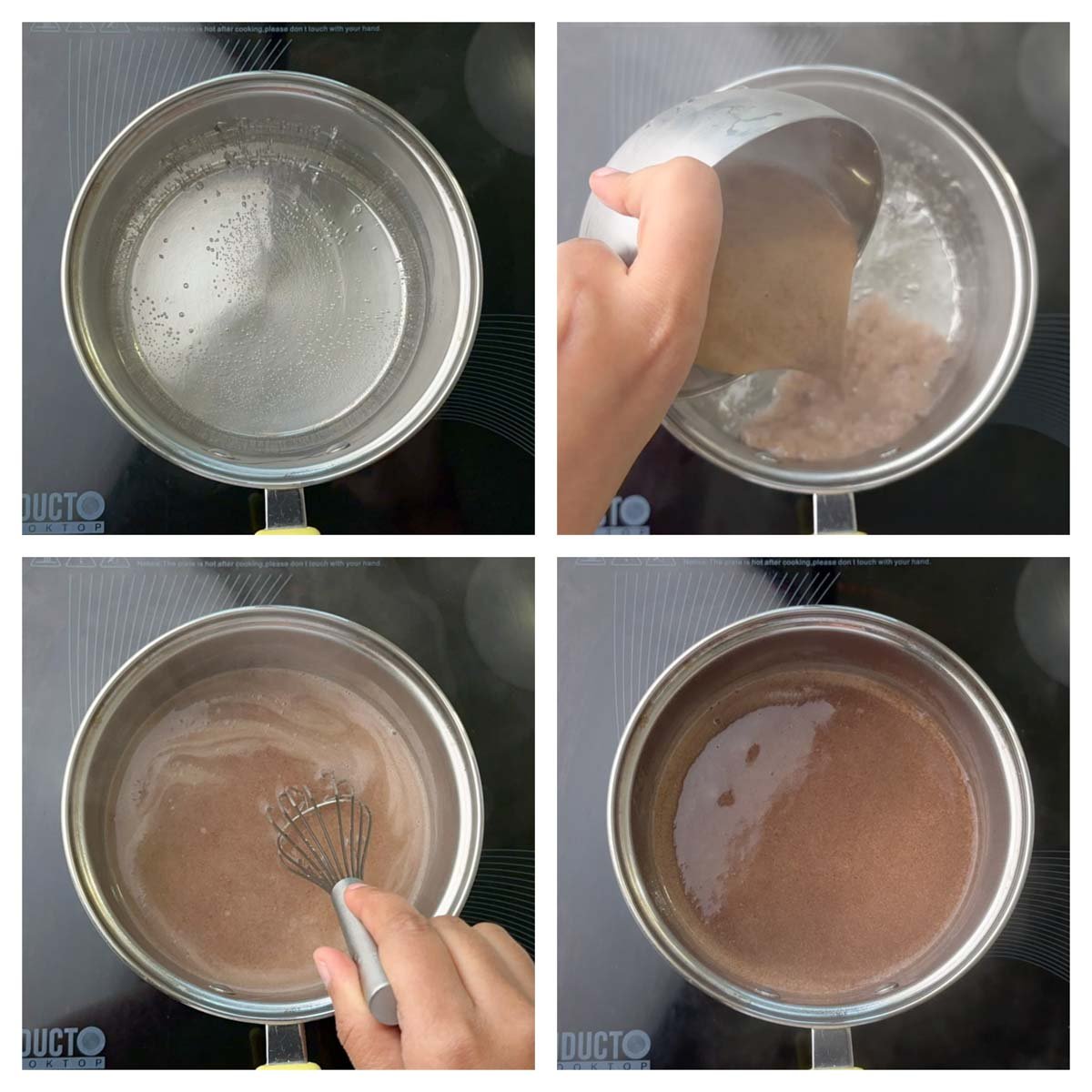
In about another 2 to 3 minutes, the mixture starts to turn glossy and boils vigorously. At this stage, the ragi flour is cooked well.
Add 2-3 tablespoons of organic jaggery powder and stir until it dissolves. Adjust the sweetness according to your preference.
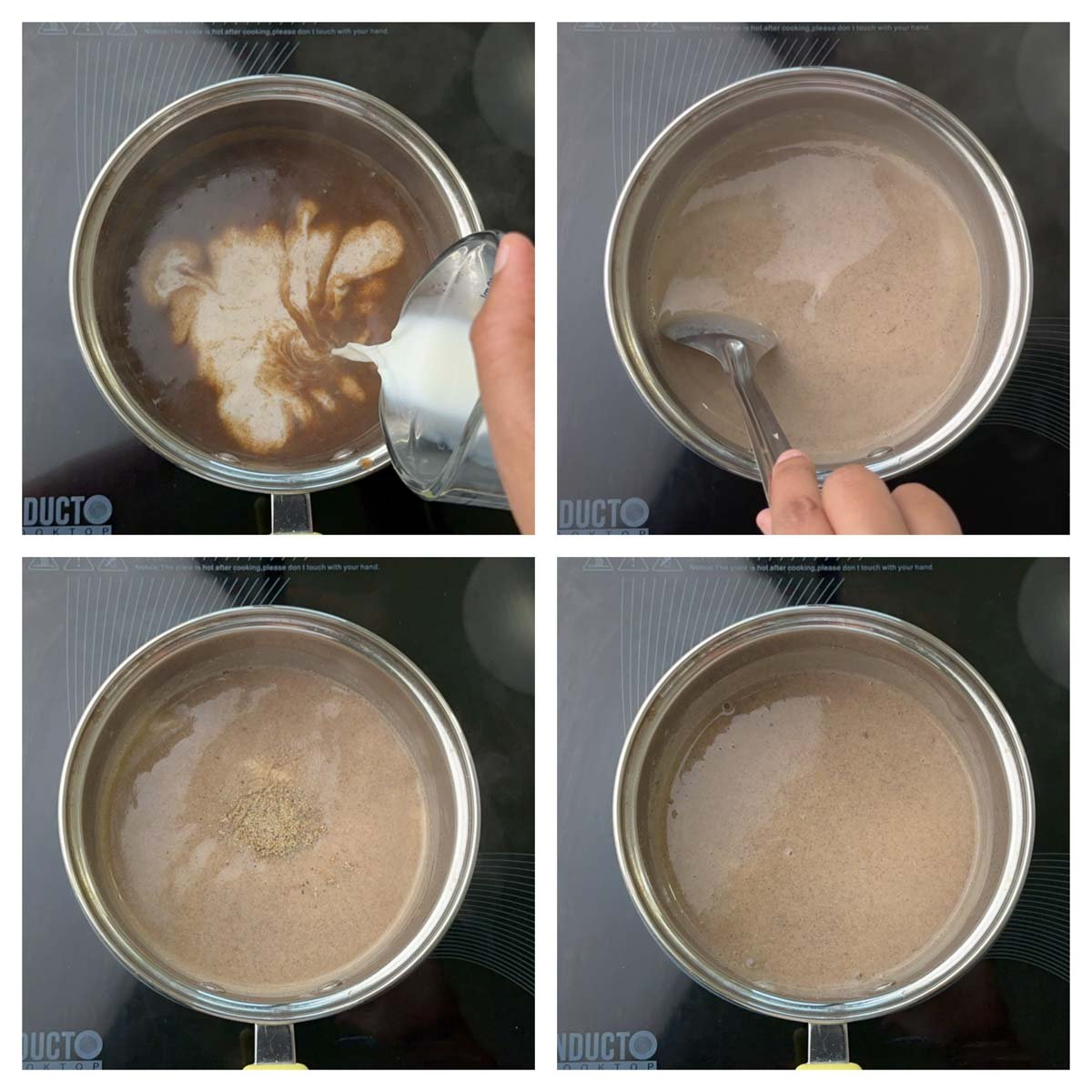
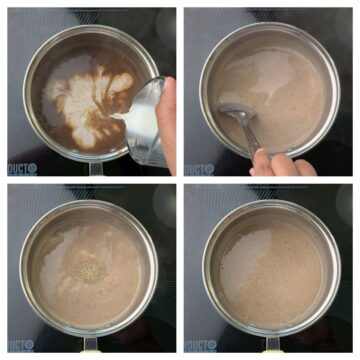
Add ½ cup whole milk (or almond milk) and stir well for a minute.
Add ¼ teaspoon cardamom powder and mix well. Turn off the heat. Ragi malt tends to thicken as it cools down. Add more milk to adjust the consistency if desired.
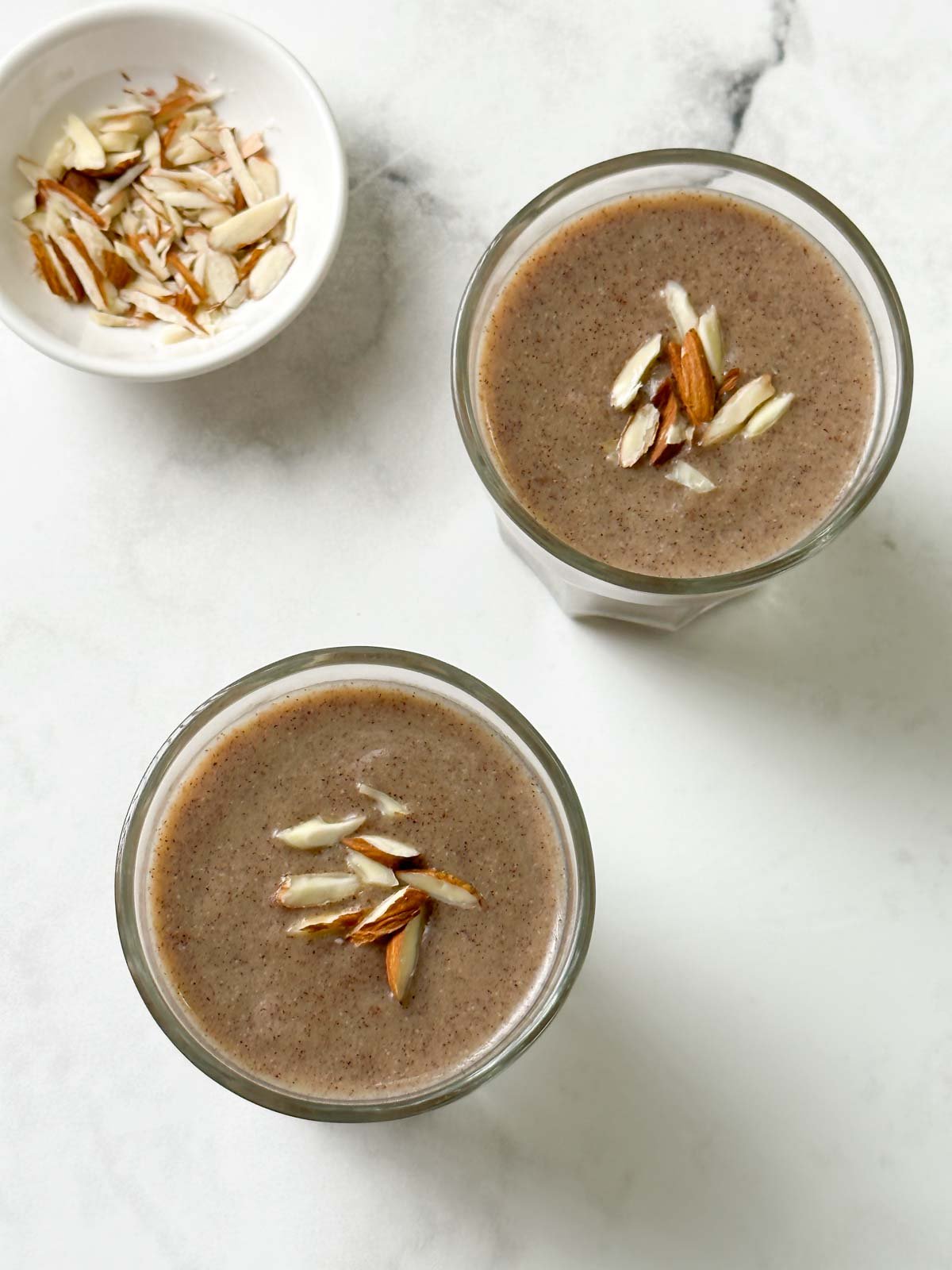
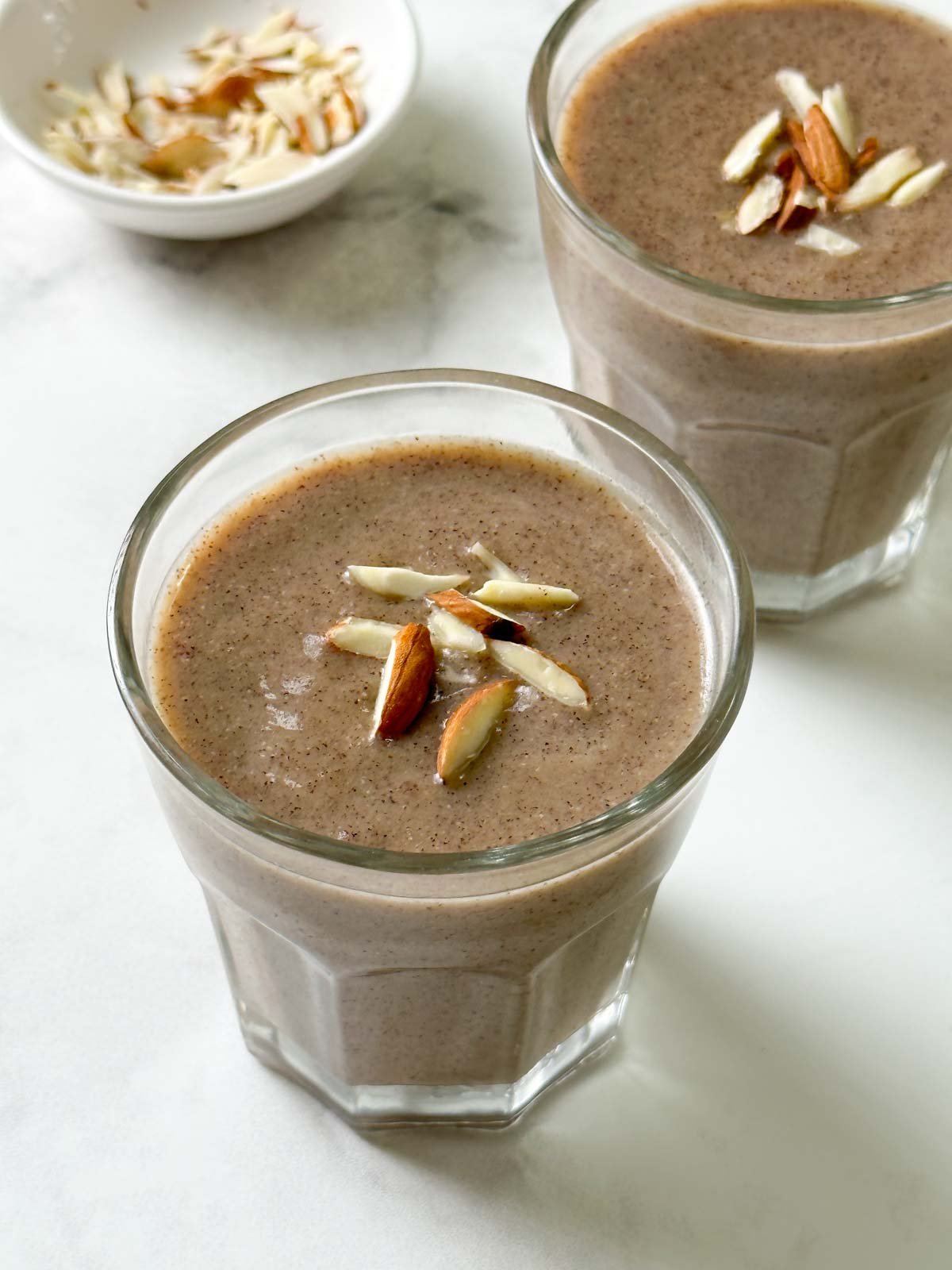
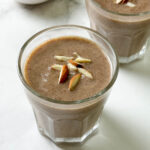
Pour into a serving glass, garnish with some nuts if desired, and serve it warm or hot.
Serving Suggestions
Serve it hot or warm, with a sprinkle of chopped nuts, such as almonds, on top. You can also pair it with phool makhana bhel or boiled peanut chaat for a delicious evening snack.
Storage Suggestions
I highly recommend making it fresh, as ragi malt takes less than 15 minutes. However, if you have leftovers, transfer them to an airtight container and store it in the refrigerator for up to 1 day.
Tips to Make Perfect Ragi Malt
- Roasting the ragi flour: It is not necessary to roast the ragi flour while making the malt. Roasting the ragi flour enhances nutty flavor and aroma of the flour. When roasting, use a low flame for 3-4 minutes to prevent the flour from burning.
- Adjusting the consistency: Ragi Malt thickens as it cools down, so thin it with water or milk before serving.
- Cooking time: It is important to cook the ragi malt on low heat until it's cooked properly, it will taste raw.
- Use sprouted ragi flour: Use store-bought sprouted ragi flour instead of regular ragi flour for maximum health benefits.
Variations
- Chocolate ragi malt: If you are making it for kids, you can add a tablespoon of cocoa powder along with milk while making the malt.
- Sweetening the malt: You can use any sweeteners of your choice, like jaggery, sugar, coconut sugar, or maple syrup.
- Add Fruits: You can add chopped fruits like apples, bananas, or berries on top and serve it like a ragi malt bowl.
- Vegan: Use plant-based milk like almond, soy, or coconut milk instead of regular milk for the ragi malt.
Frequently Asked Questions
Roasting the ragi flour is not necessary since you cook it with water to prepare the ragi malt.
However, roasting the flour can enhance its nutty flavor and aroma of the flour.


Ragi Malt (Finger Millet Porridge)
Ingredients
- 2 tablespoons ragi flour (finger millet)
- 1 ½ cups water divided
- ½ cup whole milk (or almond milk)
- 2-3 tablespoons jaggery or sugar
- ¼ teaspoon cardamom powder (optional)
Instructions
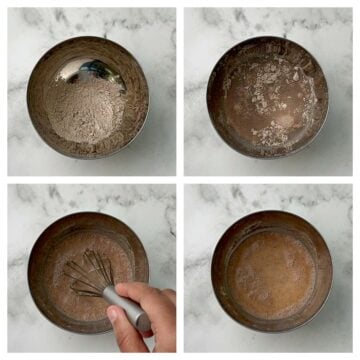
- Add two tablespoons of ragi flour to ½ cup of water. Mix well to ensure there are no lumps.

- In a separate pot, bring 1 cup of water to a boil on medium-high heat.
- Then slowly add the ragi mixture (slurry) to the boiling water.
- Reduce the heat to low and cook for 4-5 minutes, stirring continuously, preferably using a whisk, until the mixture thickens.
- In about another 2 to 3 minutes, the mixture starts to turn glossy and boils vigorously. At this stage, the ragi flour is cooked well.
- Add organic jaggery powder and stir until it dissolves. Adjust the sweetness according to your preference.
- Add milk and stir well for a minute.
- Add cardamom powder and mix well. Turn off the heat. Ragi malt tends to thicken as it cools down. Add more milk to adjust the consistency if desired.
- Pour into a serving glass, garnish with some nuts if desired, and serve it warm or hot.


Notes
Tips to Make Perfect Ragi Malt
- Roasting the ragi flour: It is not necessary to roast the ragi flour while making the malt. Roasting the ragi flour enhances the nutty flavor and aroma of the flour. If you are roasting, roast it on low flame for 3-4 minutes, or else the flour can get burnt.
- Adjusting the consistency: Ragi Malt thickens as it cools down, so thin it with water or milk before serving.
- Cooking time: It is important to cook the ragi malt on low heat until it's cooked properly, or else it will taste raw.
- Use sprouted ragi flour: Use store-bought sprouted ragi flour instead of regular ragi flour for the maximum health benefits.
Nutrition
★ Like this recipe? FOLLOW ME on Facebook, Instagram, Pinterest, and Youtube for more quick & easy recipes.

Leave a Reply